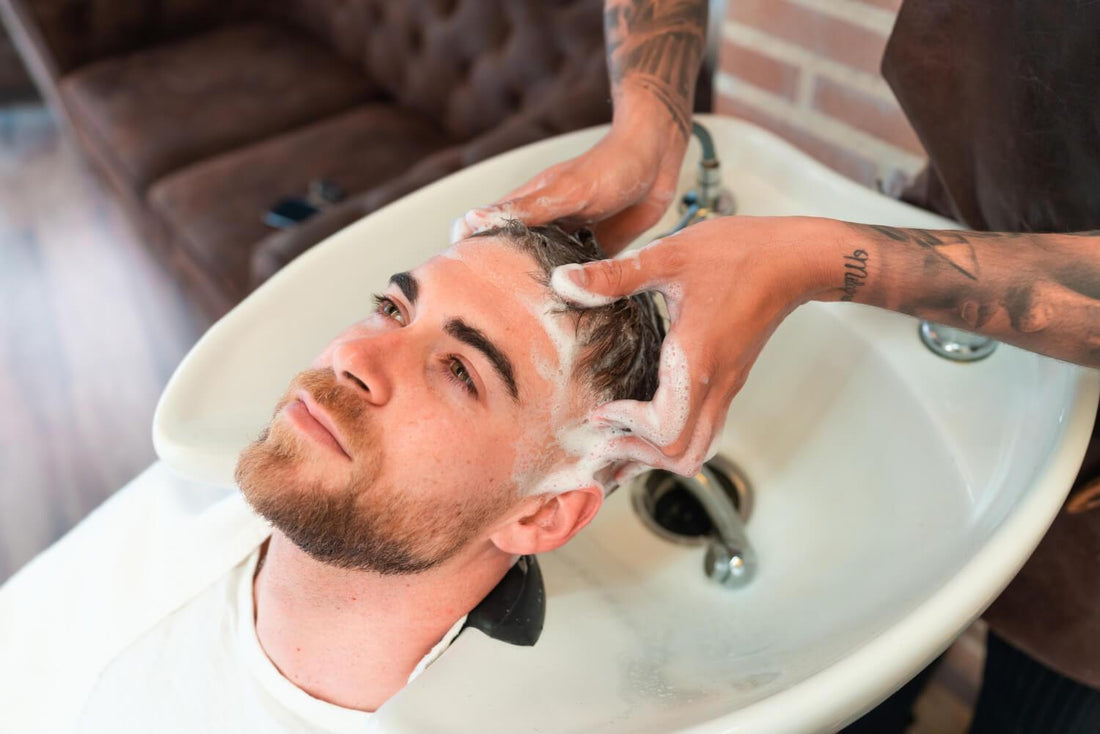
Relaxing hair treatments are popular among women who have textured hair. The sleek and smooth appearance never fails to captivate everyone. While it is easier to manage relaxed hair, maintaining its sleek and smooth style is not so relaxing after all. You have to maintain the smooth texture of your hair while giving it body. Relaxing treatments can increase hair damage as well.
Nevertheless, these hair concerns should not keep you from going for relaxers every now and then. Here are the top 9 challenges for relaxed hair junkies and tips on how you can deal with them. These tips help protect the sleekness and smooth texture of relaxed hair. Enjoy a shiny and bouncy hair with these easy hair hacks.
#1 Managing Root Growth
For relaxed hair, the number one concern is new root growth. It takes effort to maintain the sleek and smooth look of relaxed hair after relaxing treatments. New growth is not as smooth as relaxed hair, making it hard to comb through your locks. There is a part of your hair where new growth and relaxed tresses meet. This part of your hair is very brittle and prone to breakage. Combing or pulling hair can make the strands snap. Breakage can make relaxed hair dry, frizzy, and rough. It is important to keep this part of your hair tamed in order to protect the shine and texture of relaxed hair.
How to Deal With It
TIP 1: Try cowashing. Everyone knows that shampooing makes your hair dryer. Since new roots have more coils compared to relaxed hair, it is harder for the scalp to moisturize natural hair. Cowashing is the method of washing hair using a conditioner. This method ensures that your hair is hydrated and manageable. There is a small amount of surfactant in conditioners that help get rid of dirt and flakes from hair.
TIP 2: Pick a suitable hairstyle to camouflage new growth. Buns, braids, twist-outs, and cornrows are some great choices to hide new growth. These hairstyles make it easier to manage relaxed hair as well. Most of these hairstyles prevent the tips of your hair from becoming frizzy as they brush against your skin and clothes.
#2 Detangling Hair
You might think that detangling relaxed hair is easy due to its smooth and sleek appearance. However, dry hair becomes rough and harder to comb through. Without a proper hair care routine, relaxed hair can become frizzy and tangled. Hair tangles are very painful and they often lead to breakage. The more tangled your hair becomes, the harder it is to manage it.
How to Deal With It
TIP 1: Apply conditioner or oil five minutes before combing hair. This allows moisture to penetrate and coat the strands to reduce hair damage and breakage. Conditioners or carrier oils such as castor oil make it easier to detangle the roots and the rest of your hair too. They make hair smoother to make the comb slide easily through hair. You can use leave-in conditioners infused with oils to strengthen hair and avoid breakage as you comb it. Castor oil products are recommended for detangling hair.
TIP 2: Use a detangling spray mixed with a carrier oil. You can just use water or mix rosewater with a few tablespoons of argan oil. This mixture keeps your hair moisturized all throughout the day while gently detangling the tips of your tresses. A spritz or two is enough to release tension on tangles and knots. Comb your hair starting from the bottom and going upwards. This helps minimize the damage caused by combing.
#3 Strengthening Weak Hair
If relaxed hair becomes prone to breakage, it might be because of increased porosity and brittleness. Chemical treatments tend to do this to your hair. Chemicals applied to hair break the disulfide bonds to give your tresses a straight texture. However, this damages the natural barrier of hair and increases the porosity of hair strands. Without a proper hair care routine, your hair can become dry, rough, and weak. Weak hair falls and breaks easily.
How to Deal With It
TIP 1: Switch between moisture and protein conditioners. Hair shaft expands and contracts every time it gets wet and it gets dry. This ability of your hair is called hygral property. This shows how elastic your hair is. However, frequent expanding and contracting of the hair shaft can lead to hygral fatigue. This is a condition where your hair loses elasticity and proteins, making it more brittle and prone to breakage. A moisture conditioner ensures that your hair holds moisture all throughout the day. The protein conditioner replenishes lost nutrients to fortify hair and reduce breakage. Alternating between moisture and protein conditioner helps hair recover from hygral fatigue.
TIP 2: Deep condition hair every week. Deep conditioners do not only moisturize hair – they help replenish nutrients and other substances that your hair needs as well. Deep conditioners repair hair damage in order to make it more resilient against daily wear-and-tear.
#4 Getting Rid of Split Ends
If your hair becomes frayed at the tips, you need some serious hair treatment. Never underestimate the effects of split ends on your hair. Split ends are a sign that your hair is damaged. It opens up the shaft as well, which increases the chance of your hair becoming dry and brittle. Split ends happen when you use too much heat on hair. Heat can destroy the protein layers of hair, making it brittle and prone to breakage. The friction as the tips of your hair brush against your skin and clothes can increase split ends too.
How to Deal With It
TIP 1: Sleep on silk or satin sheets and pillowcases. Cotton, polyester, and nylon cause friction which can lift up the cuticles of relaxed hair. Friction is a common enemy of chemically-treated hair. They aggravate the cuticles and make hair frizzier. Meanwhile, a silk or satin sheet reduces the friction, allowing hair to rest. Now, you have a reason to get your hands on some luxurious sheets!
TIP 2: Apply heat protectant products before blow-drying hair. Blow drying hair or ironing relaxed hair can increase the risk of having split ends. A heat protectant formula or oil seals the cuticles to hair and moisturizes it to keep it smooth all day long.
#5 Air Drying Without Excessive Shedding
For relaxed hair, reducing the number of times that you expose it to heat helps prevent hair damage. Air drying might seem like a good idea until you brush your hair – several strands fall out, some short and some are long. The method of drying your hair makes a difference in its shine and volume. However, when you don’t air dry properly, it can make your hair break and fall. Rubbing your hair with a towel can increase frizziness and split ends. You should also dry 80% of your hair before you leave. Wet hair attracts dirt and toxins, which cling to the strands.
How to Deal With It
TIP 1: Dry hair with a microfiber towel. Using an ordinary towel on hair increases hair damage leading to breakage. Normal towels aggravate the cuticles and make hair frizzier. A microfiber towel helps reduce damage to hair when air drying. It is important to dry hair properly and thoroughly with a microfiber towel.
TIP 2: Apply oil to hair after showering. Hygral fatigue can be the reason why your hair falls or breaks easily. Air drying leaves your hair drier and frizzier than normal. Applying oil to hair when damp locks in the water to hair to prevent drying. It keeps hair volumized as well.
#6 Moisturizing Hair
Even when you relax your hair, there’s no guarantee that it will stay soft and smooth. Moisture is essential to keep hair healthy and strong. Relaxed hair may feel soft and smooth; however, this does not mean that it is moisturized. While using conditioners help make hair look smooth and shiny, it is not enough to moisturize relaxed hair. Relaxed hair treatments damage your hair and the cuticles. It dries faster due to the chemical treatment.
How to Deal With It
TIP 1: Try pre-shampoo conditioning. Pre-shampoo conditioning is the practice of applying a carrier oil or moisturizer to hair before you shower. Put it on 5-15 minutes before you shower to allow the moisture to absorb through the strands. This fortifies the natural barrier of hair strands to prevent the shampoo from removing the moisture of hair.
TIP 2: Use a rich moisturizer or conditioner. It is better to moisturize hair with powerful products than apply moisturizer several times. This prevents the loss of protein content. It improves the ability of hair to hold moisture as well. A rich moisturizer conditions hair far longer than a light formula.
#7 Building Body
There are many benefits to getting a relaxing treatment. It makes hair straight, smooth, and sleek. But there are downsides to relaxing hair. Loss of volume is a common concern for relaxed hair junkies. Relaxed hair can look flat and limp especially the first few weeks after the treatment. Applying mousse, hairspray, and gels to relaxed hair can make it dry and more brittle. They can also further damage the cuticles of hair by robbing it of moisture.
How to Deal With It
TIP 1: Get a haircut. Make sure that the haircut suits the shape of your face. The shape of your face can make your hair look too limp or too big. You can also opt for layers to create that volumized look. If relaxed hair looks lifeless, opt for a haircut that creates the illusion of body and bounce.
TIP 2: Tease the roots of your hair. This method gives your hair body easily. You can do this by taking a small section of the roots of your hair and combing it back and forth. Make sure it does not look too messy. You should also use oils or creams when you do this to make the roots of your hair more manageable. Only apply the oil to the roots and tips of your hair.
#8 Retaining Length
Relaxed hair will look longer because the strands are stretched. However, keep in mind that due to increased breakage and shedding, your hair will feel like it is not growing as much as you would want. Without a proper hair care routine, the new roots will grow curly, which is equal to hair growing a few centimeters a year. The length of relaxed hair may seem shorter as time passes after the treatment. This is because breakage at the tips of your hair is common. Excessive breakage leaves your hair noticeably shorter.
How to Deal With It
TIP 1: Monitor your hair ends and trim every week. Trimming might seem like a contradictory action when you’re trying to maintain the length of your hair. However, removing frayed ends save you the trouble of hair breakage. Split ends start from the tips of your hair and it crawls up through the hair shaft. You can prevent chipped and broken cuticles by trimming hair regularly. The trick is to use sharp scissors to get rid of split ends.
TIP 2: Make sure to stay consistent. This is important in keeping your hair healthy and smooth. Consistency means following a strict hair care routine to nourish and protect your hair. You should also remember your hair stylist’s reminder of when you should go back for another treatment. Stick to a schedule to prevent hair from snapping off at the point where relaxed hair and natural hair meets.
#9 Preventing Hair Breakage
Hair breakage prevents your hair from achieving its best form. If you feel like your hair is not growing at all – consider the chances that your hair is prone to breakage. Dry and brittle hair tends to lose volume and shine over time. Simple habits such as tying your hair or using a blow dryer can make your hair break. It is important to be careful when handling relaxed hair because it breaks easily. Even the products that you use can affect the strength and health of relaxed hair. Sulfate is a big no-no for relaxed tresses. It leaves your hair dry and rough. The same goes for equally harsh chemicals.
How to Deal With It
TIP 1: Use dry shampoo a few times in a week. Other than limiting the number of times you wash your hair, you can also use a dry shampoo instead. It removes the dirt, excess oil, and flakes on the scalp, without getting rid of necessary moisture. Dry shampoos leave your hair and scalp fresh and clean after!
TIP 2: Switch to nutrient and protein-rich hair products. Relaxed hair needs different products that restore its strength after the treatment. You might need to get rid of your entire collection of hair products in order to maintain your hair’s sleek and smooth appearance. Castor oil is a good source of nutrients and protein that strengthen hair. It fortifies your hair to reduce breakage while promoting growth of resilient strands. You can use shampoos and conditioners infused with castor oil to keep relaxed hair shiny and manageable. Get these products at great prices here.
Bonus Guide:
Fighting these relaxed hair challenges isn't always easy. But if you know the right products to choose and to avoid, you'll never be wrong. Here's a quick guide to help you find out which ingredients to avoid when looking at different products for your relaxed hair.
Achieve the sought-after smoothness of relaxed hair with suitable hair products. Remember that nourishment and moisture are the best friends of healthy hair. Jump through these hair hurdles with tips that ensure your hair stays lustrous even after relaxing hair treatments.
Bariatric weight loss surgery can be a life-changing procedure, helping individuals shed excess pounds and regain their health and confidence. However, one common side effect of significant weight loss that many people may not anticipate is hair loss. This condition, known as telogen effluvium, can be distressing for patients who have already made a substantial transformation in their lives. Fortunately, there are solutions available to combat this issue. In this blog, we will discuss the problem of hair loss after bariatric surgery and offer a comprehensive solution to tackle it.
Understanding Hair Loss After Bariatric Surgery
Hair loss after bariatric surgery is a common concern among patients. It occurs as a result of the body adjusting to the rapid weight loss and the change in nutrient absorption. Telogen effluvium, a temporary form of hair loss, is typically experienced between three to six months after major surgery, including bariatric weight loss surgery, because the body reroutes nutrients from hair to vital organs. This condition can be particularly alarming in bariatric patients as they are more susceptible to hair loss due to nutritional deficits.
The Solution: Shiny Leaf Bariatric Multivitamin with Iron
To combat hair loss after bariatric surgery, it's essential to address nutrient deficiencies. Shiny Leaf Bariatric Multivitamin with Iron is an excellent supplement that can help patients maintain optimal nutrient levels. This specific multivitamin is especially beneficial for women of fertile age and anyone suffering from iron deficiency due to the inclusion of iron. Iron is crucial to support hair health and prevent common types of anemia. Just Take 1 easy-to-swallow capsule a day during breakfast and you’re good to go.
In addition to the multivitamin, adding calcium to your daily regimen can help maintain overall health and support hair growth. Take the Shiny Leaf Calcium Citrate with Fast Melting Tablets in sweet cherry flavor 2 hours after taking the Bariatric Multivitamin with Iron. Another tablet before bedtime will complete the recommended 600mg of daily calcium intake.
For those who do not require additional iron, Shiny Leaf also offers the Bariatric Multivitamin Iron-Free, ensuring that all patients can find the perfect supplement to support their hair health. Best of all, you can take 1 capsule of this iron-free multivitamin together with your chosen calcium citrate, no waiting needed. This combination of essential vitamins and minerals ensures that your body is well-equipped to fight hair loss and promote healthy hair.
Shiny Leaf Hair Loss Shampoo and Conditioner Sets
Aside from taking the right supplements, using the appropriate hair care products is equally important. Shiny Leaf offers a range of shampoo and conditioner sets designed to combat hair loss and promote hair growth. Here are three highly effective sets to consider:
DHT Pro Shampoo and Conditioner Set
The DHT Pro set is specially formulated to combat hair loss by blocking dihydrotestosterone (DHT), a hormone linked to hair thinning.
Suitable for all hair types and can be used daily.
Contains Procapil and Capixyl, formulas derived from natural ingredients to promote hair growth, reduce hair fall, and block DHT.
DHT Original Shampoo and Conditioner Set
The DHT Original set is designed to reduce hair loss and encourage new hair growth.
Suitable for all hair types and can be used daily.
Enriched with powerful ingredients like biotin, castor oil, and rosemary extract to improve hair health.
3. Peptide Shampoo and Conditioner Set
The Peptide Shampoo & Conditioner Set has nutrient-rich ingredients with thick consistency that may help with hair growth.
Suitable for all hair types and great for everyday use.
Has proprietary DHT Formula for additional protection against thinning hair and hair loss.
Continued Usage is Key
It's essential to note that achieving the best results in hair regrowth and reduction in hair loss takes time. The body needs several months to adjust to its new condition after bariatric surgery. Continued usage of the Shiny Leaf hair care sets products, along with the recommended supplements, is crucial to see noticeable improvements in hair health.
Hair loss after bariatric surgery is a challenging issue that can affect an individual's self-esteem and well-being. However, with the right approach, patients can effectively address this concern and promote hair growth. By incorporating Shiny Leaf Bariatric Multivitamins, calcium citrate supplements, and Shiny Leaf's specialized hair care products into their routine, patients can work towards healthier, fuller hair. Remember that patience and consistency are key, and over time, your hair can regain its former glory, allowing you to fully enjoy the benefits of your weight loss journey.
Warning signs of balding: your drain is clogged with a clump of hair every morning when you shower, your hair is getting thinner, and you see your forehead getting bigger. This makes you stress over what causes it. Is it stress? Poor lifestyle? Bad eating habits? Maybe it has to do with age? Or is it your genetic imprint?
Scientifically, most hair loss in men is primarily caused by dihydrotestosterone, or DHT. This can eventually progress to male pattern baldness when not properly managed. For the most part, hair loss is more common in men but there is also such thing as female pattern baldness and it can be upsetting too.
Preventing hair loss is about balancing hormones and controlling the amount of DHT in our body. The concept of DHT could be a bit overwhelming, but it gets simple once you understand how your body produces DHT and how DHT affects the hair follicles.
Below, we will cover what DHT is, how DHT occurs and functions in our body, and the necessary measures to counteract them from causing negative effects on your hairline. We’ll also talk about the best ingredients to look for when choosing a shampoo with DHT blockers.
What is DHT?
DHT, short term used for dihydrotestosterone, is the enemy of hair follicles on your head. Your body produces DHT testosterone combine with 5α-Reductase enzyme. This enzyme converts almost 10% of the testosterone in an adult’s body into DHT each day. And unfortunately, DHT wants those hair follicles on your head dead and your hair to fall out.
If you are genetically programmed for male pattern baldness, DHT plays an important role when you start losing hair. Your hair follicles have unique receptors in them. When DHT flows around, it fits right into these receptors. When DHT clogs into these receptors, this limits the ability of the hair follicle to absorb nutrients and minerals. This ultimately deprives the hair follicles of the protein they need in order to grow. DHT basically starves the hair. It weakens them, causing them to shrink and eventually die out. And when a hair follicle dies, there’s no way it can grow back new hair. It just stops.
Interestingly, DHT is also the same hormone responsible for making men resemble basic male features. DHT is a powerful male hormone responsible for things like forming the male genitalia during pregnancy. It fuels hair growth in areas of the body such as the chest, back, and beard.
What Causes High DHT Levels in Females?
About one-third of women experience hair loss at some point in their lives. Developing bald spots on the head and having a thinner crown are some of the symptoms. This condition is called androgenetic alopecia, generally known as male or female pattern baldness. Thus, balding caused by genetics is not limited to the guys. Although testosterone is considered a male sex hormone, the ladies produce traces of testosterone in their bodies and can be affected by DHT as well.
The hormonal process of testosterone forming DHT happens in both men and women. Testosterone and DHT level are directly related. As testosterone levels in the blood increases, more of it is also DHT-converted, resulting in higher levels of DHT. This could be a result of hormonal imbalance in women.
Too much DHT may result in increased body, facial, and pubic hair growth in women. It may also cause irregular periods, acne, mood swings, and of course thinning hair. Hair thinning is the symptom we will discuss in the next section and provide solutions for men and women to reverse it.
Should You Block DHT?
Hair shedding is a part of every day life. Yes, it clogs the drains and it turns your carpet into a hairy rug. But hair loss is totally normal. On average, we lose around 80 hair strands daily. But if you notice that you are shedding hair significantly more than that and nothing grows back, it’s time to take action. It is important to remember that while poor diet and overstress can have significant effects on your hair, hair loss is more likely caused by DHT and how your body reacts to it.
You already know that DHT primarily causes much of this hair fall in men and women. And using DHT blockers to stop its negative effects will help you. The best way to start blocking DHT is to find a good pair of shampoo and conditioner that can block DHT in your scalp. Make them a part of your anti-hair loss stack and use regularly to see great results.
Which Anti-DHT Shampoo Ingredients are Effective?
DHT blockers come in different types. Over the last few years, the DHT hair care industry has grown with hair products giving the same promises of putting hair loss to stop. But to look for a good and effective one, you need to look at the ingredients. Some shampoos contain natural or pharmaceutical ingredients designed to block DHT.
Try finding shampoos infused with natural DHT blockers. Natural ingredients are safer and less harmful to your health. Great examples of natural DHT blockers are green tea extract, rosemary extract, saw palmetto, and fenugreek extract. They are also the best choices if you want to avoid some toxic side effects.
Some DHT blocking Shampoos also contain vitamins and other natural ingredients that promote hair growth. These ingredients work synergistically with DHT blockers by nourishing the hair follicles with nutrients needed for hair growth.
Biotin is a known hair growth agent you can find in some DHT blocker shampoos. Effective plant extracts that nourish the hair for better hair growth include castor oil, helichrysum extract, and jojoba oil. Other shampoos may also have anti-hair fall ingredients in them such as aloe vera. Aloe vera improves the strength and moisture level of your hair. While the DHT blockers stop hair loss, these added natural hair growth ingredients increase your hair volume. They nourish your hair and scalp, providing added benefits.
If you want to block DHT and restore healthy hair growth, you will want to look for shampoos that contain at least two of the active ingredients mentioned above, or more preferably a blend of several ingredients known to affect DHT levels and hair growth.
Last Hope to Hold Your Hairline
Ideally, the earlier you start using DHT blockers, the more successful you will be in avoiding further hair loss.
Statistics show that 20% of men may experience significant hair loss upon the age of 20. And that percentage grows proportional to the age. So 30% of men will experience it in their 30s, 40% in 40s, and so on.
While very significant in men, women are also susceptible to hair loss due to certain changes in body chemistry. For women, up to 5% of under 30 and 60% of those over the age of 70 are affected by hair loss. If you see signs of excessive hair fall that could potentially lead to hair loss, it is best to do something to stop it before you lose every hair strand on your head.
The moment you start researching about the topic hair loss and how to stop it, “DHT” and “DHT blockers” pop up everywhere. And you wonder, what exactly is DHT and how do DHT blockers work?
To cut the chase, let’s get a quick insight into the basics of DHT to help you understand the ins and outs. This will give you a better idea of what a DHT blocking shampoo really does and in the last section, let’s list down ten reasons why using a DHT-blocking shampoo for your daily haircare routine is a must.
What Really is DHT?
DHT is the shorter term used to refer to Dihydrotestosterone, a male sex hormone formed from testosterone. It is responsible for giving a man his distinctive male features, such as a deep voice, facial hair, body hair, and muscular figure.
With the help of 5α-reductase (pronounced as five-alpha-reductase), an enzyme found in the oil glands of a hair follicle, a testosterone is converted into DHT. The DHT bind to receptors located in the hair follicles, where they accumulate, build up, and prevent the normal blood flow from reaching the hair follicles. This causes the hair follicles to not get the nutrients they need in order to continue growing.
At this point, the hair follicles are said to miniaturize. This basically means to shrink and eventually stop new growth, which results to balding over time. This condition is commonly observed on people genetically prone to male pattern baldness.
Balding is a slow progressive process that usually takes place over several years. Therefore, a person has enough time to take action to stop DHT from working on its negative effects. One of the most effective ways to prevent hair loss is to use a DHT-blocking shampoo.
What is a DHT-Blocking Shampoo?
A DHT-blocking shampoo is a specially formulated haircare product made to help with hair loss. It contains ingredients that are known to block DHT and stop hair loss. DHT blockers work by binding to the 5α-reductase enzyme, effectively preventing your body from producing DHT in the first place.
Common Types of Natural DHT-Blocking Ingredients
When looking for a DHT-blocking shampoo, here are the some of the best natural ingredients you can find:
Rosemary Oil – this essential oil usually comes from the leaves of rosemary plant. It is a natural hair loss-fighting extract also known to boost blood circulation for increased hair growth.
Saw Palmetto – this extract may come in powder or liquid form. It is added as an active ingredient to hair products or dietary supplements meant for hair loss prevention. It is also known to promote prostate health among men.
Pygeum Bark – extract taken from the bark of the African plum tree known for its anti-hair loss benefits.
Pumpkin Seed Oil – a natural oil used as treatment for hair loss and is also found to help with prostate enlargement.
Green Tea – may prevent hair loss by inhibiting the buildup of DHT while stimulating the hair follicles to grow new hair.
Stinging Nettle – a natural remedy for hair loss applied topically or taken internally. It is usually added to hair loss supplements like the Shiny Leaf enHAIRgy, which contains potent natural DHT blockers.
Other Great Ingredients Found in DHT Blocker Shampoos
If you are the type of consumer who normally check on product labels, you can also find other great ingredients together with DHT blockers in your shampoo. These ingredients offer added benefits that when combined with DHT blockers, make the shampoo even more powerful in treating hair loss. Common ones you can find are:
Biotin – a hair vitamin known as vitamin B7, which helps boost hair growth, improve strength and elasticity.
Castor Oil – a thick natural oil rich in fatty acids essential for hair growth. It also gives hair added shine and smoothness.
Vitamin E – an antioxidant that helps repair damaged strands. It provides the hair protection from further damage.
Proteins – they could come in different forms such as keratin, wheat protein, oat protein, or silk protein. They all provide hair strands building blocks that keep them strong and healthy.
Oils and Extracts –plant oils and extracts make hair soft and silky. Some of these are shea butter, avocado oil, flower extracts, argan oil, and tea tree oil. These ingredients provide extra moisture to prevent dryness.
Why Use DHT-Blocking Shampoos Daily
Now that you have a clearer picture of what a DHT blocker shampoo can do for your hair, you’re probably thinking about starting to use it. In preventing hair loss, remember that the earlier you take action, the more chances of keeping your hair. Here are 10 reasons why you should consider using DHT-blocking shampoo for your everyday haircare routine.
1. Prevent hair loss and total baldness
DHT is the main cause of natural hair loss that could lead to total baldness. Using a shampoo infused with DHT-blocking ingredients is a convenient way to get their anti-hair loss benefits.
2. Increase hair growth
Most DHT-blocking shampoos also contain ingredients that enhance hair growth. This type of synergy is effective because as you avoid losing hair, you also boost hair to grow quicker. The result is thicker, fuller hair.
3. Cleanse hair and scalp thoroughly
A DHT blocker shampoo cleanses hair and scalp as all shampoos do. It thoroughly removes dead skin cells, dirt, and product buildup. Your hair looks fresh and smells great throughout the day!
4. Grow thicker stronger hair strands
Because DHT blockers stop DHT from making hair follicles shrink, hair continues to grow thicker with everyday use of DHT blocker shampoos. Strands also become stronger with help of other nourishing ingredients found in the shampoo.
5. Nourishing hair and scalp-care
Lack of hair nourishment results to dull hair and flaky scalp. With the vitamins and plant extracts found on DHT blocker shampoos, you get the daily dose of nourishment to keep your hair and scalp healthy and hydrated.
6. Remedy for hair shedding
Hair falling out is normal but too much of it could be bad. This can be an early sign that DHT is beginning to do its work on your hair follicles. A DHT blocker shampoo will help prevent this and stop hair from frequent shedding.
7. Regular damage repair treatment
If your hair is prone to damage due to chemical treatments and hair styling tools, using a DHT blocker shampoo also helps. It has ingredients such as vitamin E and proteins that help rebuild the strands to maintain healthier hair.
8. Protect the hair follicles from damage
Perming, bleaching, and other chemical-based hair treatments can damage the hair follicles and even cause thinning hair. DHT-blocking shampoos contain nourishing ingredients help keep the hair follicles in good shape. DHT blockers also help prevent it from shrinking, so hair continues to grow.
9. Boost your confidence
Your hair is the crown that you never take off. Therefore, keeping it thick and luscious is important because it gives you the confidence about yourself. It’s true: beautiful hair makes you look good and feel great.
10. Keep your hair healthy
Whatever the situation is, healthy hair follicles are the roots of heathy hair. (No pun intended!) With everyday use of DHT-blocking shampoos, your hair reaps all these benefits that make it stay healthy year after year.
Finding the Right DHT-Blocking Shampoo
Are you ready to start using a DHT-blocking shampoo? If your answer is yes, the next step is finding the right one for you. But choosing a DHT blocker shampoo could be a challenge with so many brand names available in the market. But don’t be worry. We have a few helpful reminders for you! Whether you are picking a shampoo online or at the supermarket, consider these tips:
Harmful chemicals like sulfates can cause dryness and stiffness of the hair. Prolonged use may lead to damage. Try sulfate-free shampoos like the Shiny Leaf DHT Blocker Shampoo.
If you have curly or permed hair, silicone-free products are recommended. Shampoos with silicone can weigh down and make curly hair less bouncy.
Parabens are synthetic preservatives known to damage marine life. By picking paraben-free products, you can help protect the environment and oceans.
Care for the animals with cruelty-free products. They are usually marked with the bunny icon that says ‘Not Tested on Animals’.
* These statements have not been evaluated by the Food & Drug Administration. This product is not intended to diagnose, treat, cure, or prevent any disease.
Choosing a selection results in a full page refresh.